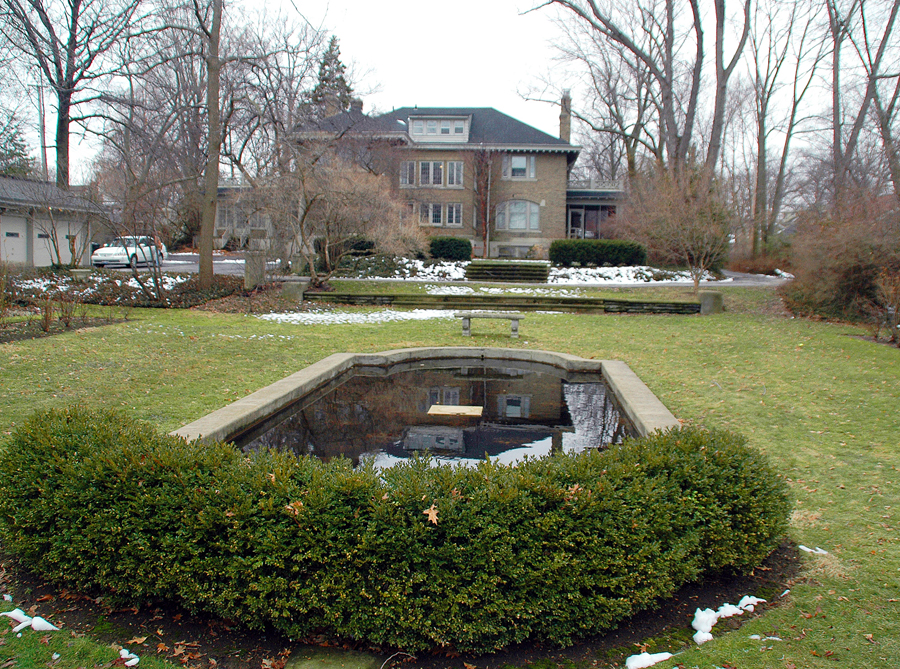
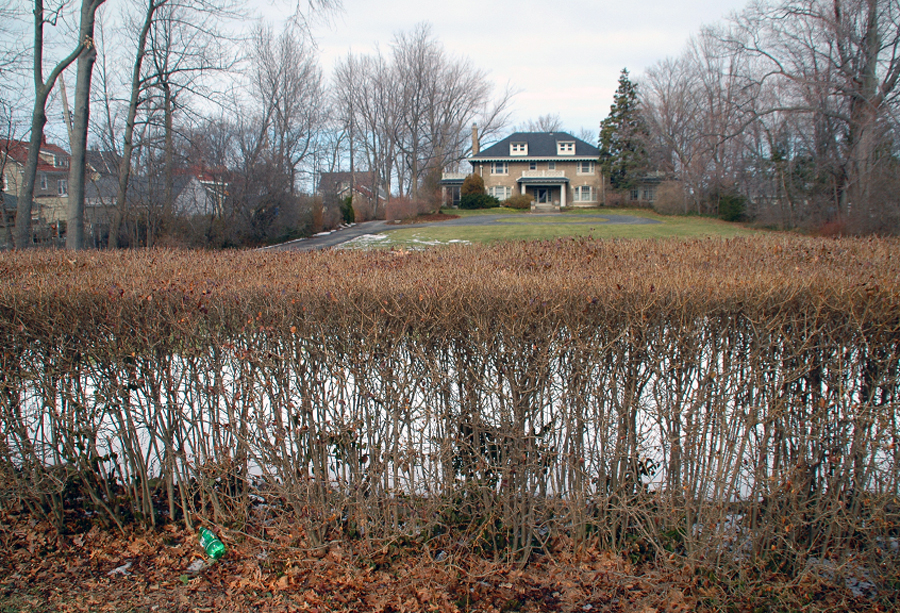
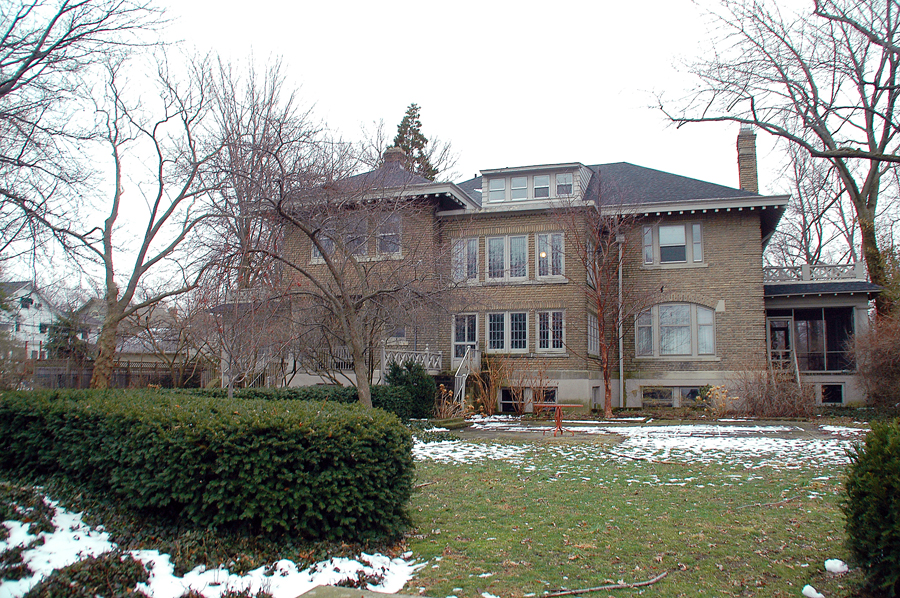
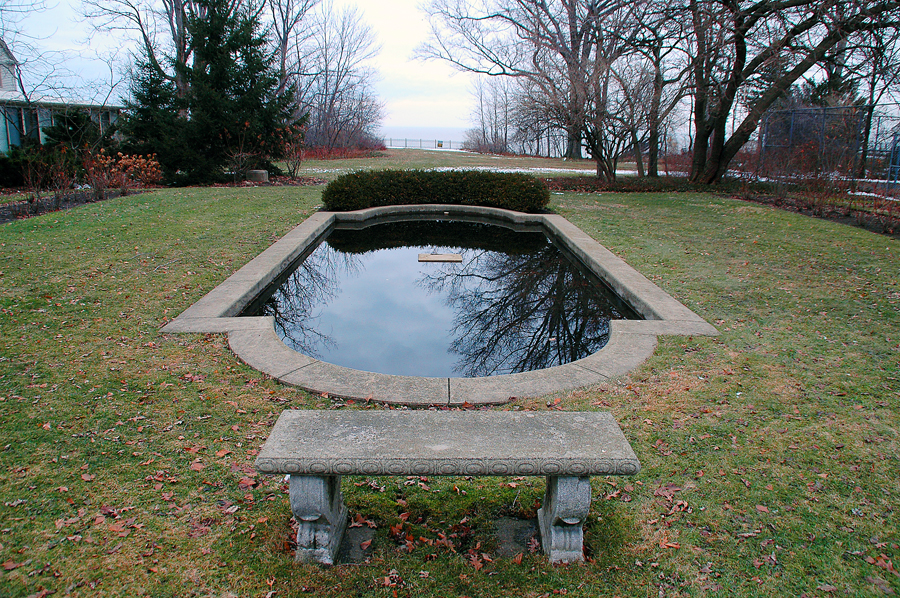
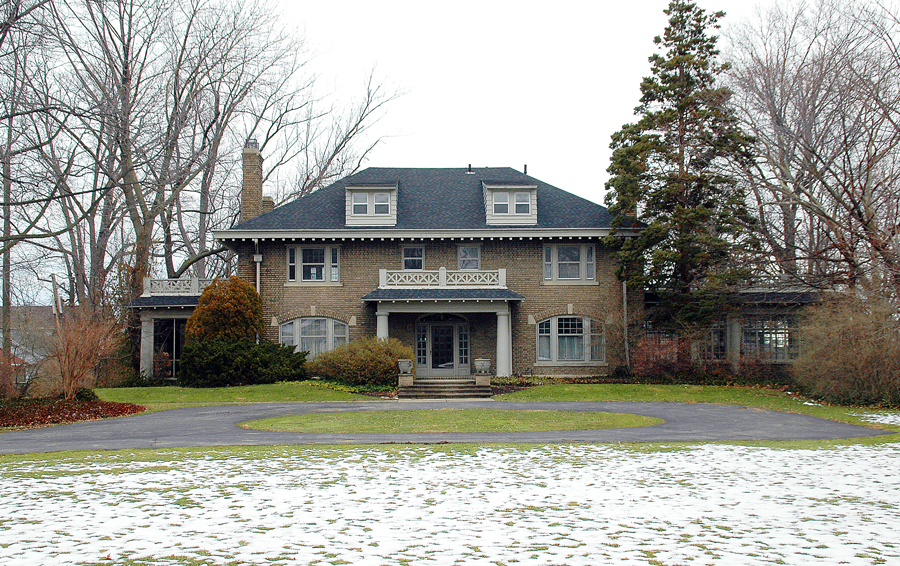
David
From their website:
Federal Level
The constitutionality of local historic preservation ordinances was upheld by the U.S. Supreme Court in the case Penn Central Transportation Company v. New York City, which was decided in 1978. Some people feel it is illegal for a city or village to tell them what they can or cannot do with their property, other than to insure healthy and safe conditions. However, the Supreme Court decision upheld the concept that a city can enact land use controls that preserve the aesthetic features of a city, including the areas that have special historical, archaeological and architectural significance. The court ruled that such laws do not constitute a “taking” of a property as long as an owner may still get a reasonable return from his property and the restrictions are closely related to promoting the general welfare of the citizenry.
State Level Ohio facilitates the establishment of local preservation legislation by providing for strong “Home Rule” through which local communities can utilize their general municipal “police powers” to designate groups of historic or archaeological properties, usually called “historic districts,” or individual properties (sometimes referred to as “landmarks”) as zoning overlays. This means that the legal use of the land does not change, but that an additional designation of historic “zone” is identified.
Local Level What the Supreme Court decision means to communities in Ohio is that the legal foundation for local historic preservation legislation is firmly upheld as long as there are well-thought-out criteria and standards, good hearing procedures, well-documented records and sound administrative oversight and as long as decisions are consistent and serve multiple public goals. Detailed minutes must be kept, historic sites and districts must be carefully researched and selected throughout the community, and design review decisions must be consistent and based upon sensible design guidelines which are readily understandable and available to the public.
What is a historic preservation ordinance?The preservation ordinance is nothing more than local legislation (a law) enacted to protect historic districts, individual buildings and archaeological sites from destruction or insensitive remodeling. It is a legal means by which local communities can identify, evaluate and protect historic properties. Such laws empower a board or commission to regulate to a greater or lesser degree, the design of exterior changes to buildings within a defined area.
ESTABLISHING EFFECTIVE LOCAL LEGISLATIONThe most effective local ordinances enable the establishment of a design review board or commission and the designation of local historic districts and individual landmarks. Ordinances of this type are called “enabling ordinances.” Most ordinances do not identify specific districts or landmarks in the ordinance itself. In this way additional historic properties may be identified and designated in the future.
http://ww2.ohiohistory.org/resource/histpres/toolbox/clg/clg-11.html----
It would make make it harder to tear down, and easier to save. There are many grants and programs available
to save historic homes and buildings from falling apart.
I am not sure to the validity of this comment, but at one time I heard over 2/3rds of the homes in Lakewood
could at least apply for historic designation, and that entire neighborhoods like Birdville(Birdtown now),
Clifton Park, Scenic Park, Emerald Canyon Historic District etc. could be great ways to bring down the cost
of living in Lakewood while help to preserve what we have.
Last night ended with a stay of execution for the property and a win for the neighborhood.
.