For those who are interested in what my "thing" about the deceased Hilliard Square theater is (aside from having an Edifice Complex as Bob Dobush the owner quipped) here some background and also some implications:
------
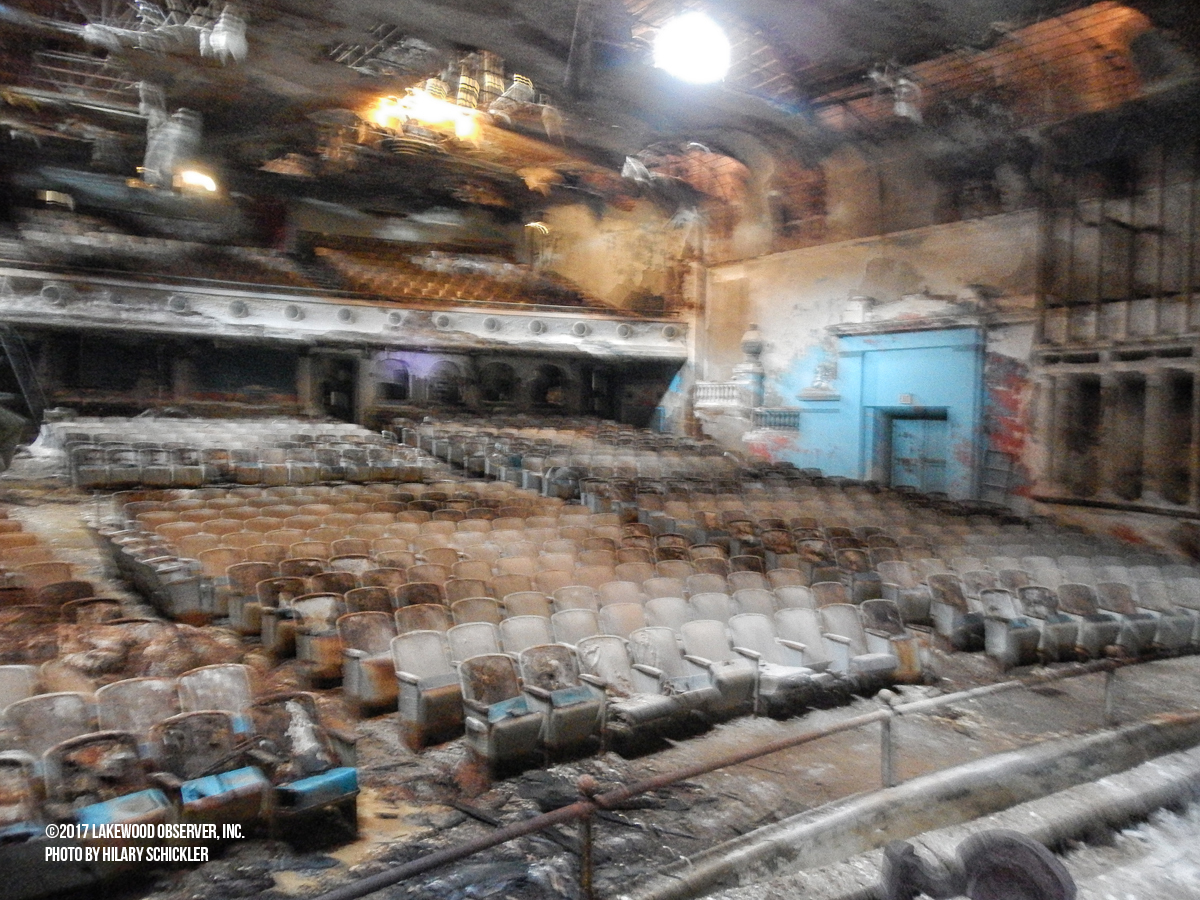
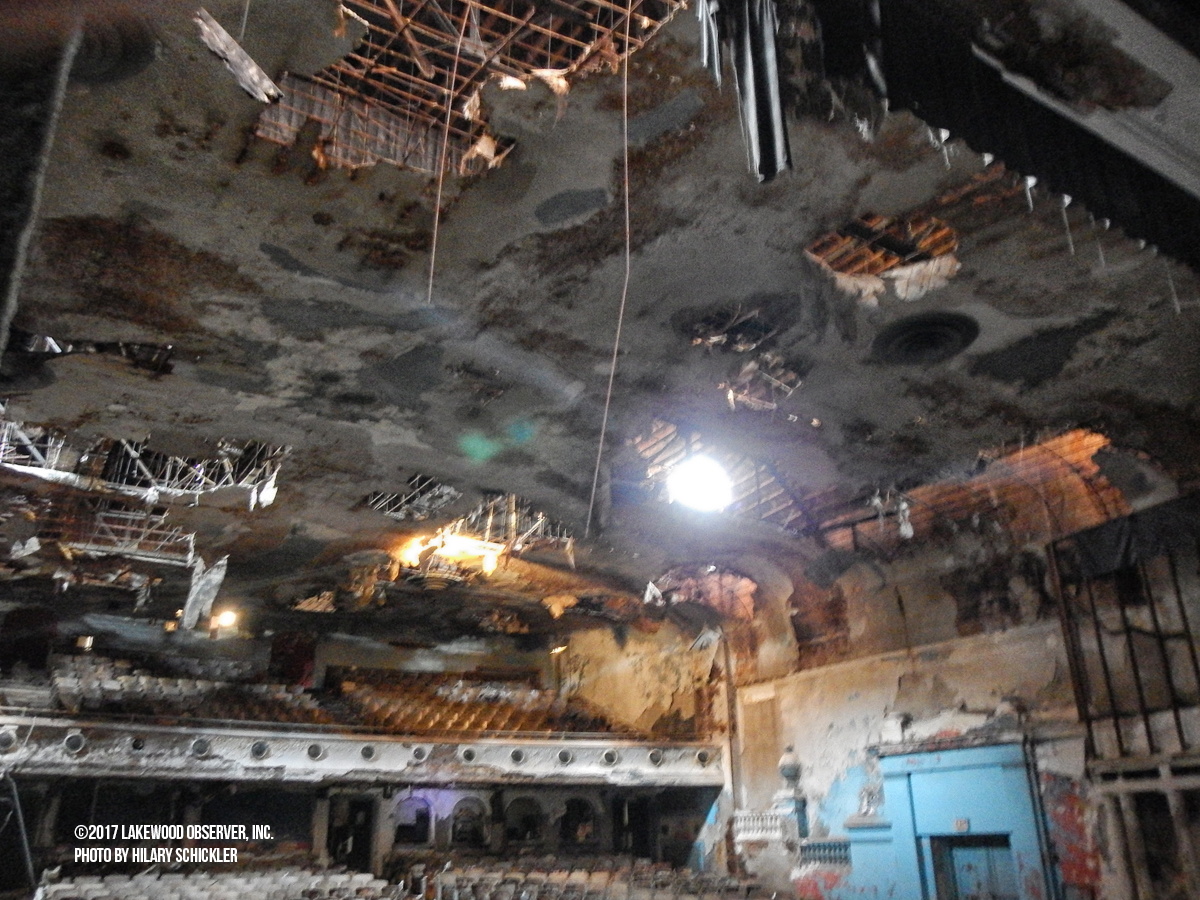
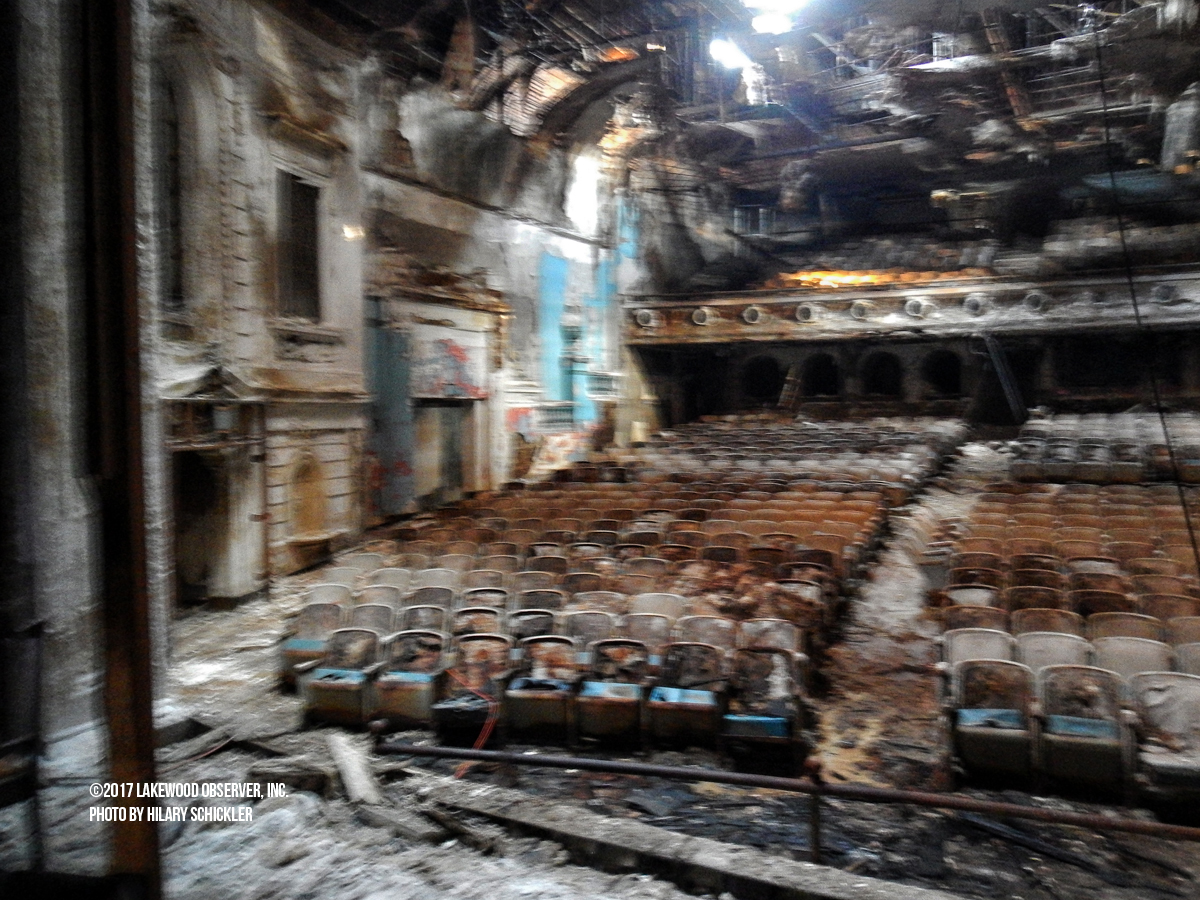
I rented 2 storefronts from Bob Dobush on the north side of the building. Other than the theater the place was pretty much fully occupied. Bob was not an absentee landlord, as he kept an efficiency there for himself throughout his ownership. I was given a rent adjustment to handle any issues there in his absence and also to address the task of keeping the theater dry by keeping up with roof leaks as they occurred. We made this arrangement when Bob had a purchase agreement in hand in about 11/1996. There was no time to waste while waiting for the deal to close. That roof leaked horrendously in various areas before he ever got the place. We didn't want to wait till summer. So I rented my space from the previous owner and Bob contributed so I could get keys for access and start work. I had a business to run but there was plenty of time to periodically address the roof. The first repairs were in a break in winter weather. We stopped all the leaks! But with no heat and the worsening inelasticity of the old roof layers, the job required constant vigilance, particularly in springtime. I soon analyzed every aspect of that building. From the very creepy pipe chases to the frightening catwalks above the stage and above the plaster ceiling, every structural and mechanical system was closely inspected. Acoustically, I tracked the reverb and frequency response of every spot in the auditorium. Once Bob removed the curtains that concealed the lovely plasterwork, the acoustics showed absolutely no unwanted reverb that smears the clarity of instruments and spoken word, and nearly perfect balance of sound of whatever occurred on stage no matter where you were seated. It was ever so slightly on the lively side, but assuming a full audience, even soft speech spoken on stage could be heard with utter clarity from any seat in the house. This is almost unachievable even with computer aided design. The ancients were very clever! The only thing that I figure is that the architects (well at least Braverman) also designed synagogues.
I shared this info with my brother over a few years, but also the fact that the roof was getting more difficult to deal with as each year passed. The theater was a good fit with what he visualized for it and what I visualized for my end of it, which included long term integration into a cohesive urban design (I have a Masters in Urban Planning that I put to work on a long term plan). We are sons of an architect (Jim O. knew him well) so we knew our way around the process. This all ultimately resulted with my brother and Bob negotiating a price. Here is what was eventually put on the table when I was involved:
With my brother Mark as the primary creative influence over the theater's primary use, (he's an Emmy winning broadcast designer), the plan was to begin the theater's utilization in the short term in association with some colleagues at the New School in NYC. At the time he was also on the faculty at Parsons School of Design for a decade, with connections at the Actors Studio.
He was proposing a "digital" performance space where a number of summer students (both "talent" and technical) from NYC plus any local counterparts could have a digitally linked venue in Lakewood. There are any number of commercial and dramatic performances that don't require a studio audience. And the big thing was that manufacturers of Very Expensive professional equipment were practically willing to give it away for educational purposes. He had at his disposal just about every expensive item required to outfit the place for digital video recording, editing, lighting, servers, projection, sound, etc. We each had several angles of running a lean and economical resurrection and rehab of the complex, and to use the early progress as a springboard to bringing vitality to that whole corner, all the way up to the point of the intersection.
I was to handle all technical aspects of physical rehab, overseeing engineering both structural and mechanical (including steam heat!), supervision, and ultimately the creation of a totally custom and exotic sound system for the place. Since the acoustics there were the best I have ever encountered anywhere, we were going to leverage that so that any high resolution film/movie or live event would have left an indelible impression on the guests.
The user experience of interior, the comfort (the old seats had to GO!), the sight, the sound were to be absolutely captivating. We felt that the excellence of all those characteristics combined as we intended, would provide a visitor experience unmatched by any other venue in the region.
I should point out how immensely logical the layout of the Hilliard complex was. Under the arcade ran vital heating, power, sewer, water utilities. All the Hilliard Avenue entrances were at grade and the whole main level was handicapped accessible including one existing restroom, emergency exits etc., as would the proposed office and restrooms extension into the rear half of the sizable adjacent storefront at the west side of the Hilliard elevation there.
Ross Keller at Italian Creations was someone we wanted to keep in the loop. We envisioned the arcade as part of a bar/ food/ catering service area to replace the current Italian Creations building but orienting it as "spilling" out of the arcade towards the east in a 4 season canopied space that would further spill out seasonally into a new pocket park area towards the point. Winter access from the west parking lot was to be eased by allowing entrance directly thru the lobby corridor double doors at the west, leading all the way to the east into the arcade / restaurant space, all completely indoors.
This arrangement would also have had the added benefit of creating a park/sculpture space as the focal point for drivers on both Hilliard and Madison as they drove west. Mayor George really liked this idea.

Currently, however, it serves to monumentalize a gas station. And probably will forever now.
------
All this was considered because of the theater building itself; that someone should have thought to build such a place here to begin with; but also because of what 2004 Lakewood uniquely offered to justify the theater complex's redevelopment.
Remember that Lakewood was reaching a peak of "hipness" with young adults and just getting to be known nationally for this. That and its walking city status. Our project was intended to bring a small but new and talented population into the area seasonally at first; people who would be attracted to Lakewood's more youthful and artistic lifestyles and complement the local like-minded.
So booking bands as a primary method of supporting the theater wasn't really on our radar screen at all. As one of many special events, yes. And the clientele could have influenced that outcome. But the primary focus was very different. Consequently, the short term parking wasn't a terrible issue.
The long view was to then parlay that into forming a Business Investment District for the triangle to get new partners, including the city, to procure parking. Obviously the roach motel to the west was the target property, with partial surface parking to southern half, and a second level of parking at the northern 1/3 or half (owing to the sloping geography there).
We were talking redevelopment of more than half that block in a 10 year period.
So you can see that it was obvious that we needed some sort of sign that we would have the support of city hall before embarking on this long term incremental endeavor. We couldn't afford to make two steps and then face a brick wall of obstruction. Nothing but myopia and intransigence from the city officials as you know. But they weren't the whole power structure either.
So a question of whether the local lending institution, as a tacit representative of the larger business community, would indirectly show support by providing the mortgage on the building in lieu of supportive gestures from city hall. [Besides, paying cash would eat up the short term liquid funds needed for roof replacement, heat, and facade stabilization.] But after paying a local appraiser (who would turn out to be politically connected himself), something like 6 months of no commitment went by and they just let the whole matter drop with only a verbal "probably not." Now my brother was getting sure he'd get stuck with a building we effectively wouldn't be allowed to use.
------
Now, it should have been obvious to anyone paying attention that creating any sort of net increased traffic into Lakewood would be of benefit to both the local economy and society (yeah, I think along those lines, sorry).
You would think. The BID idea didn't seem to get much traction with the city, perhaps because we weren't, ahem, "insiders." Then again, none of it got any traction with the city. No aspect of this was of any interest to them.
ಠ_ಠ
In a much broader scope, not only did they not care to understand what they had in that theater (and the plans for it), but they didn't understand the significance in the vitality and trend-setting nature of its youth culture as it was naturally developing.
Any inner ring suburb in any relatively stagnant region in the world should be so gifted to have had such a lifeline against the out-migration of population and money to ever-expanding (bloating?) rings of low density suburban sprawl. In this region Lakewood acts as the western terminus of resurgent areas dotting the lake shore including Gordon Square/Detroit Shoreway, W 25th/west side market, jumping all the way across to Waterloo. This line of dots near the lakeshore is collectively quite a destination for out-of-the-neighborhood dollars.
I guess no one's noticed that every cool building in Cleveland that comes back on line just adds to the gravitational pull of the area. And it's a pull that struggles to yank people and $ back out of the atomized strip centers and phony urban developments (think Crocker pk). The struggle works pretty well when the attractions are genuine, local, and unique. Once they look like what is down the street from the person from Independence or wherever, forget it. Why bother? Any why can't city leadership see this obvious thing?
Lakewood can't compete with sprawl by emulating the ticky tack of sprawl and win. What I see in places like Crocker Park is a tacit admission of the superiority of what they purport to emulate.
Lakewood is the genuine article but the damage done by years of myopia and outright hostility towards its actual distinctive strengths is now running very deep.
I think the mayor would probably be a perfectly good mayor of Westlake (of course I don't like Westlake much

). But good heavens this group should be kept away from a community and asset base that needs true stewardship for survival.
So my point here is not only that so much potential was lost.
But it's the reasons why, in this instance, when it comes to the collective leadership in Lakewood. The theater is gone but the reasons remain.
I hope they start to watch out. For what they are letting slip away and that which they are actively damaging is going to make Lakewood like that old theater roof. You can let it go for awhile and then start patching away the evidence of neglect and poor choices, hoping no one notices the signs of imminent collapse. But one day. One day, the whole thing starts to unravel.
So the old theater was past it's prime some say. I say it was special and wasn't like all the others and it was one of few remaining.
The old inner ring suburbs are past their prime some say. What should I say?
Connect enough dots and a big picture starts to emerge. Some will say good riddance to that old theater. But do you like the picture that is emerging?