Originally called: "More Negative LO Deck Click Bait DO NOT LOOK!"
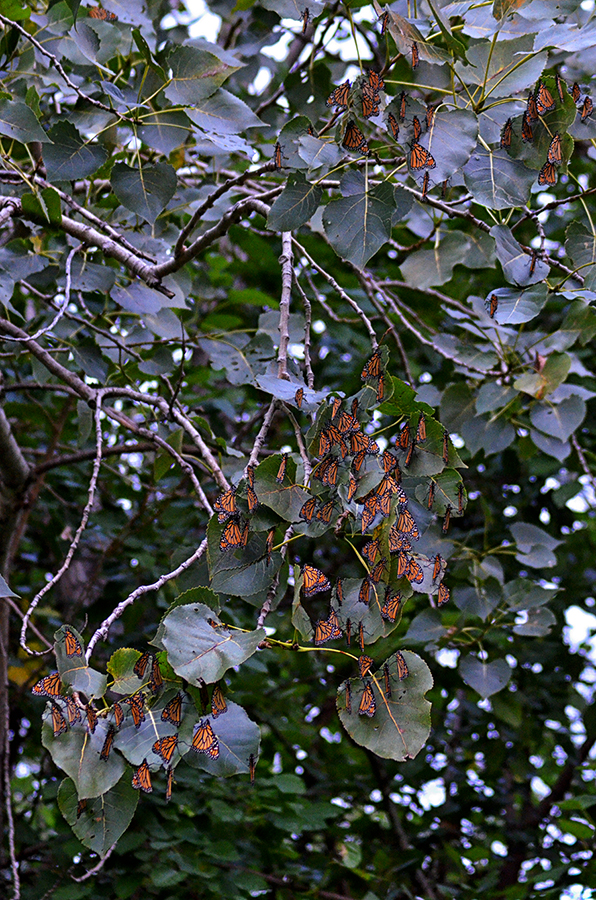
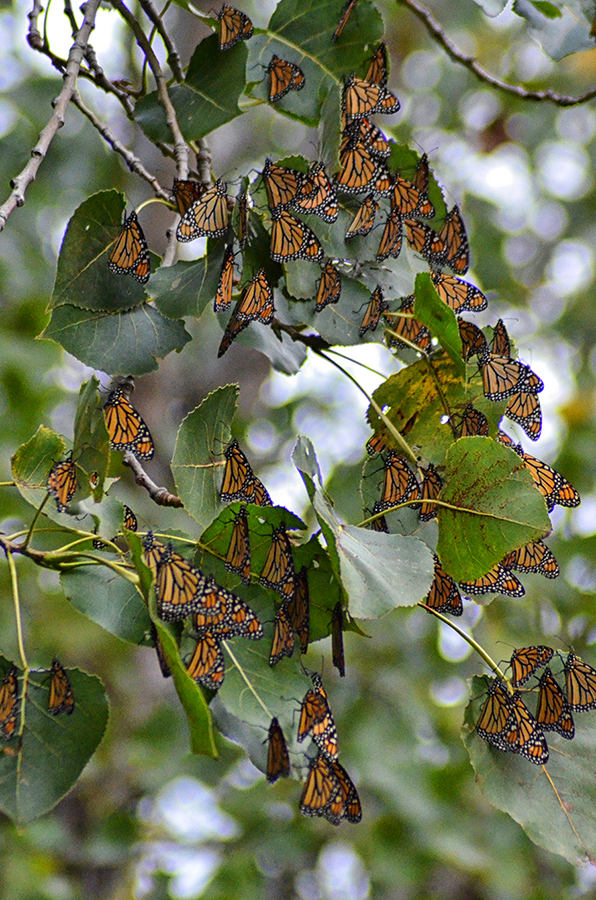
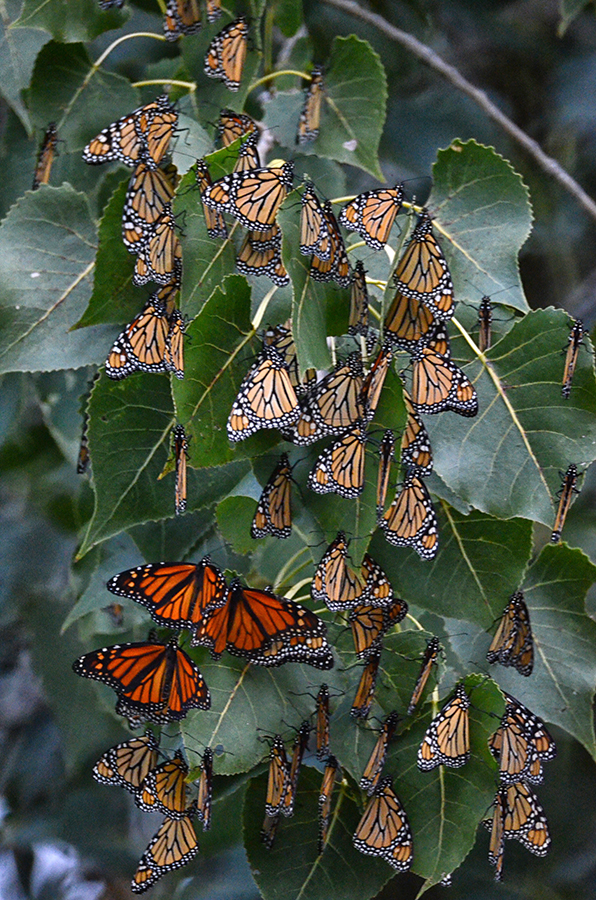
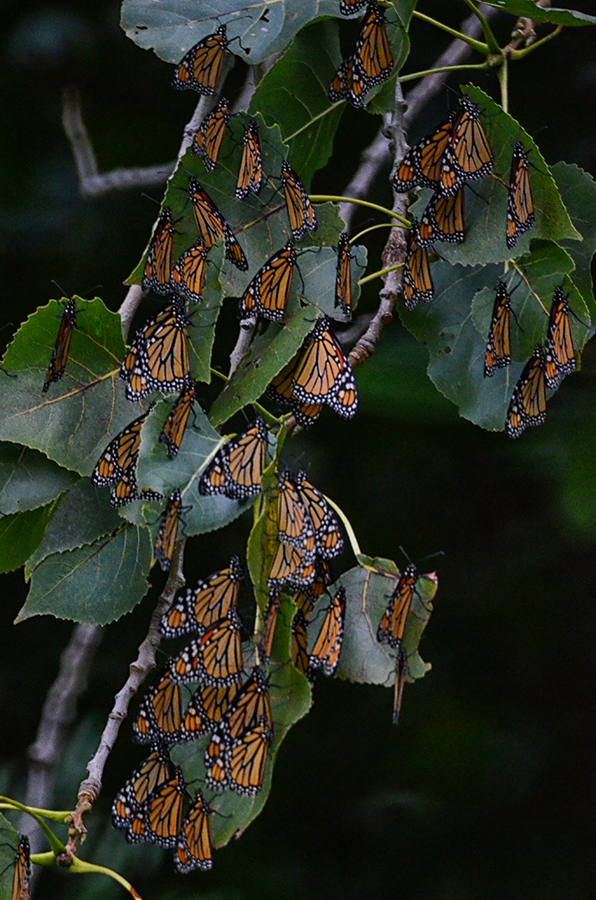
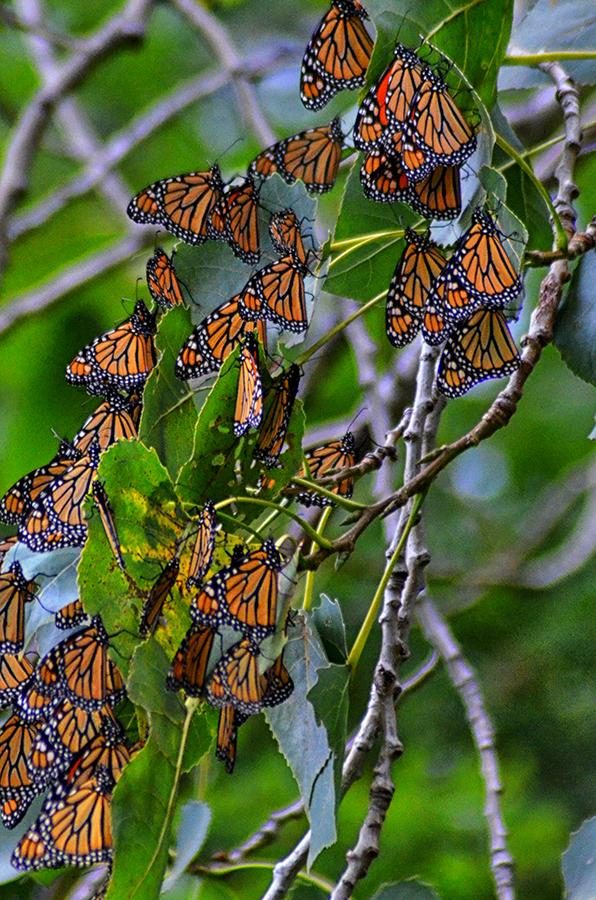
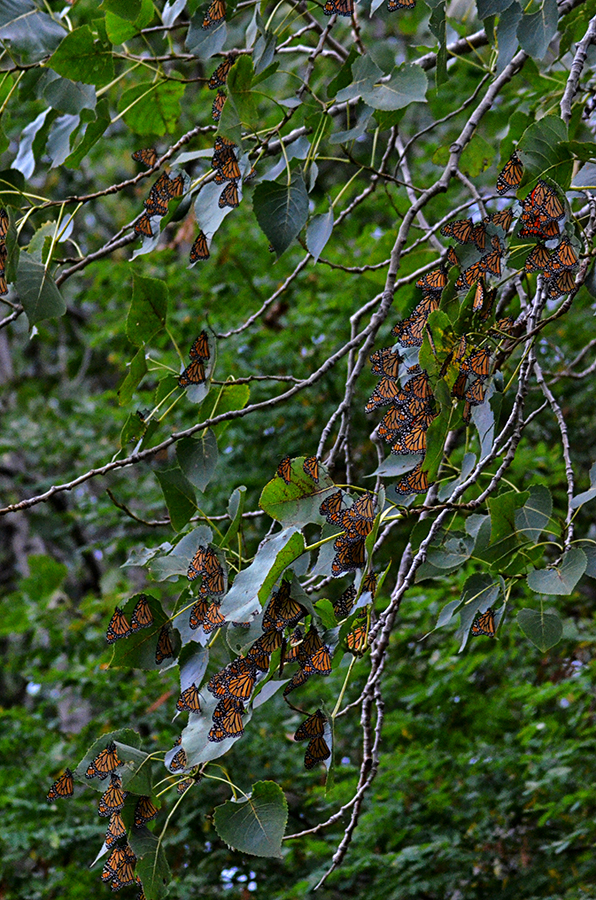
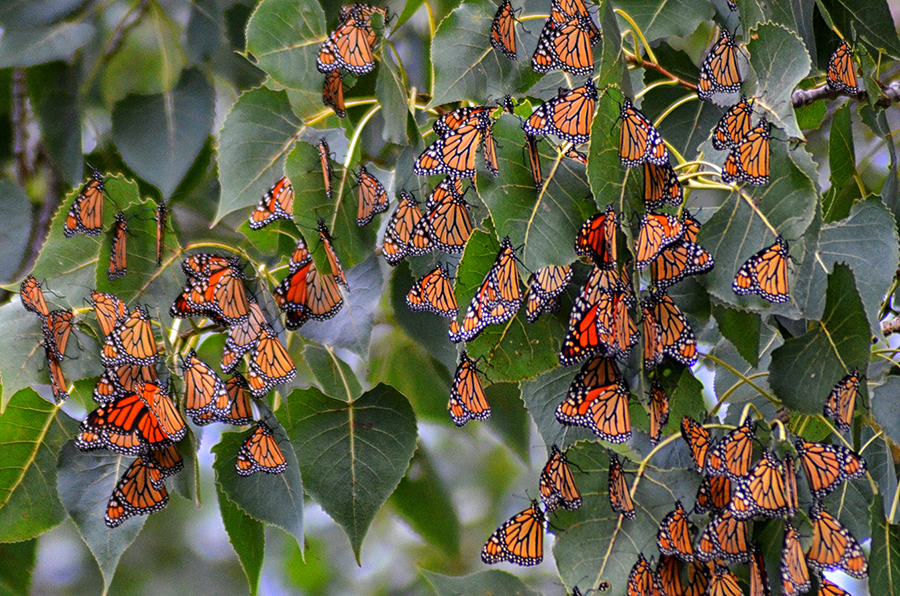
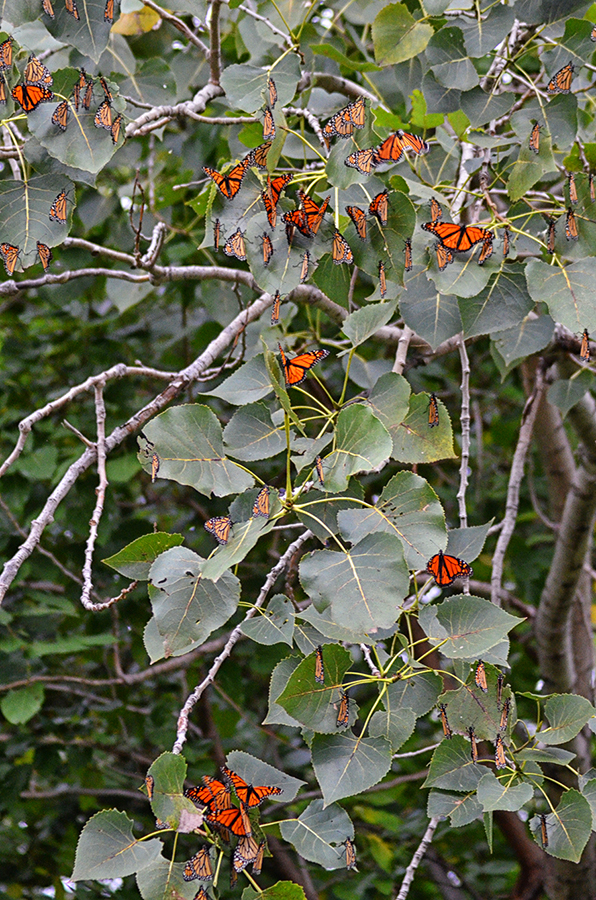
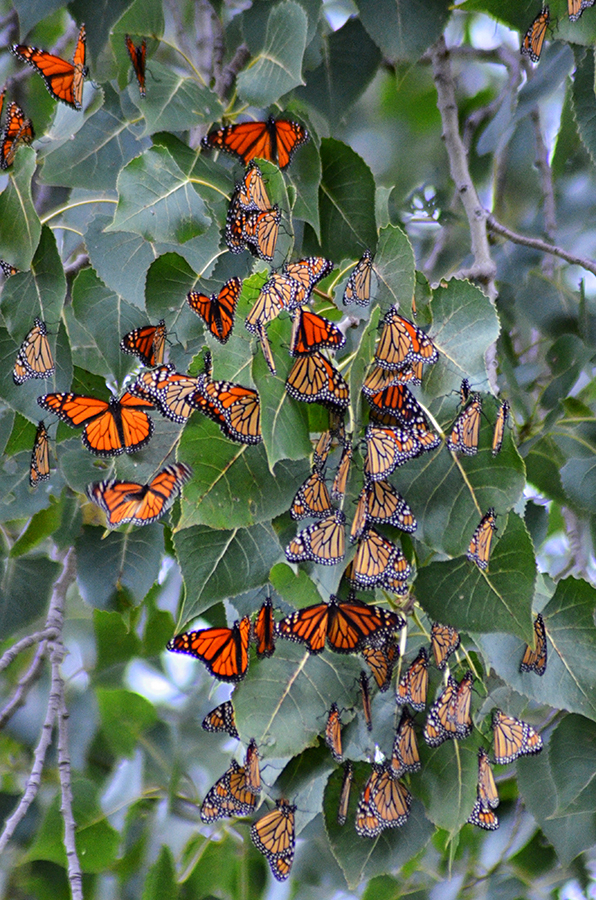
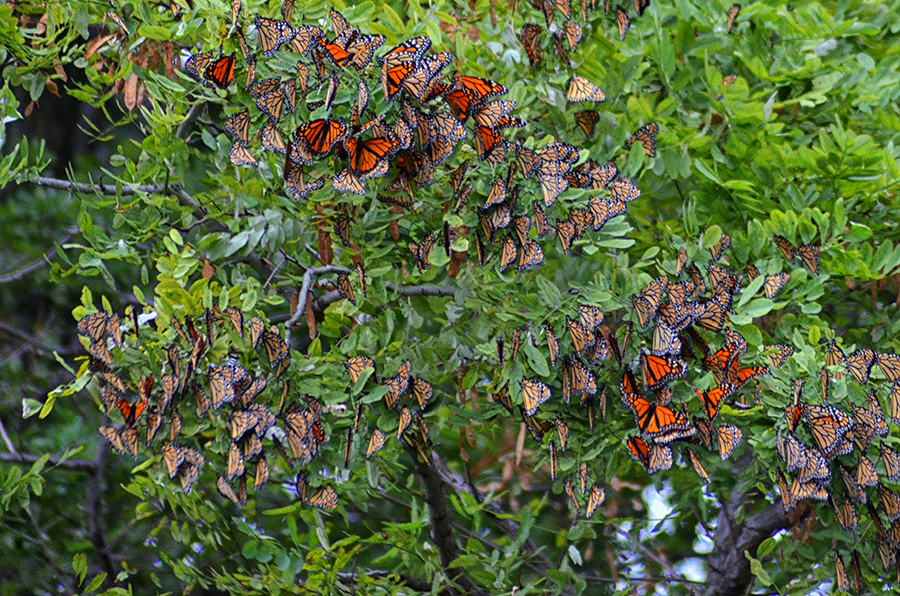
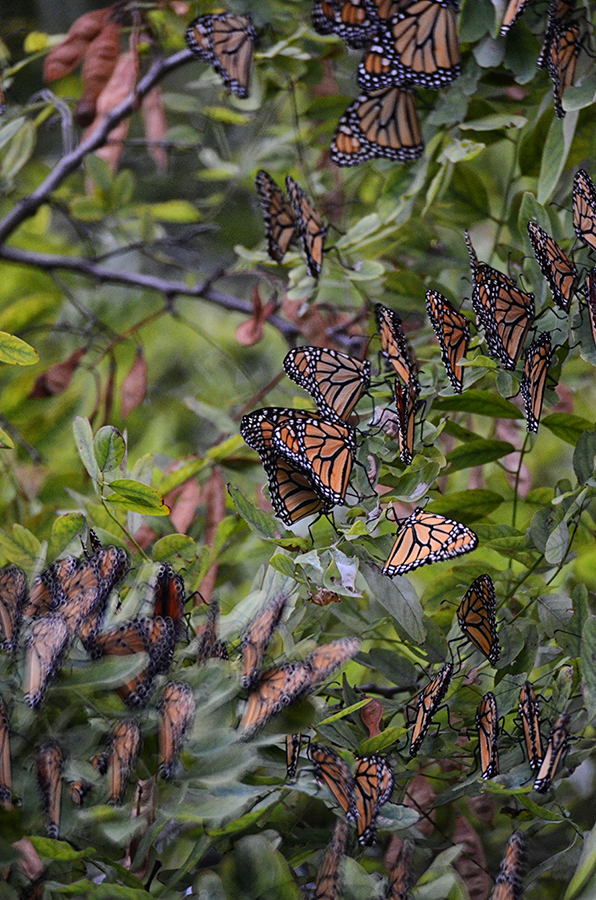
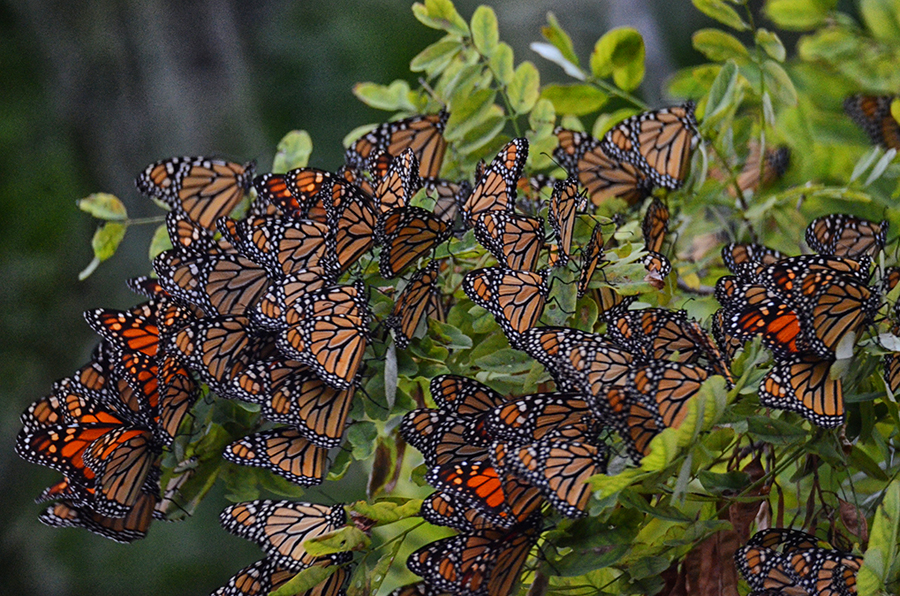
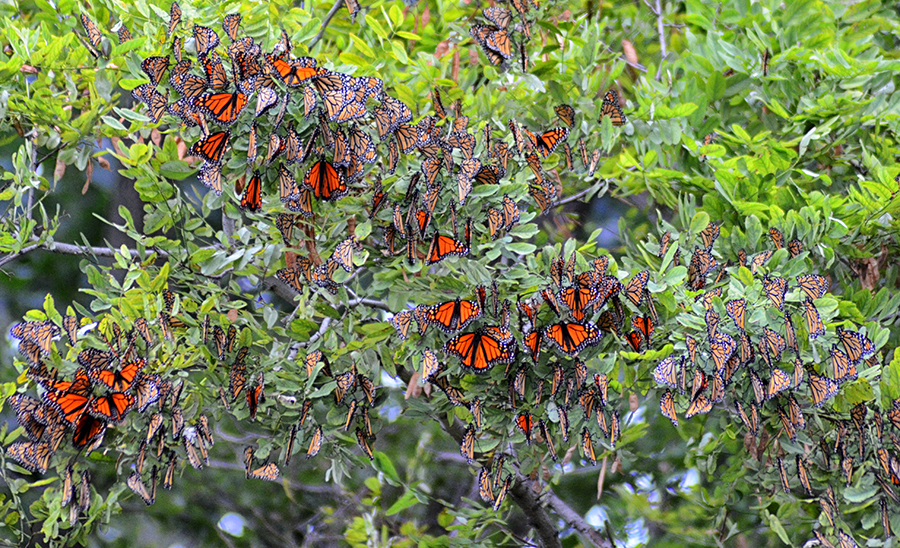
Shhhhhhh, this will be our little secret, over the next three days the Monarch Butterfly Migration will be at the peak. It is best to get up real early because the butterflies collect in trees and bushes, then as the day warms up and the sun comes up they take off on their journey.
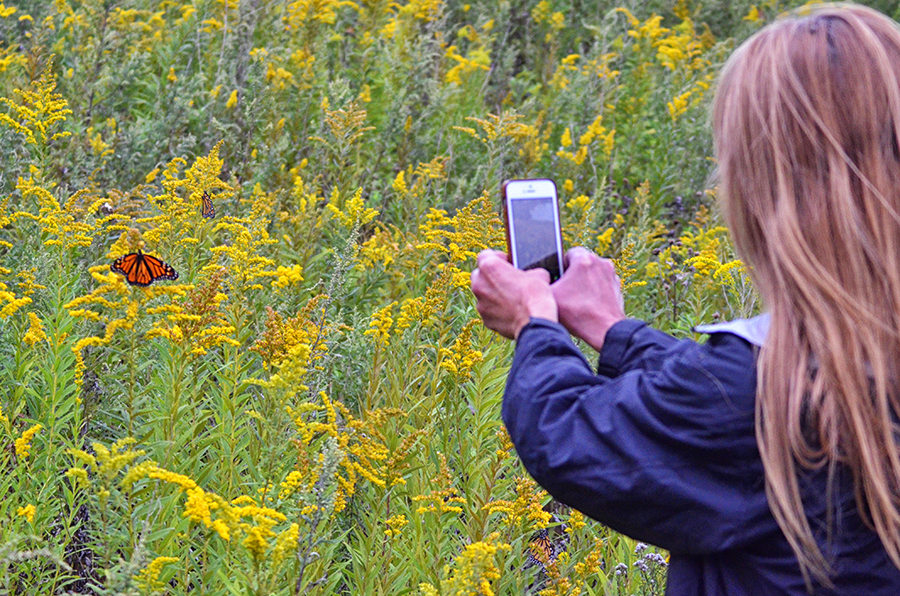
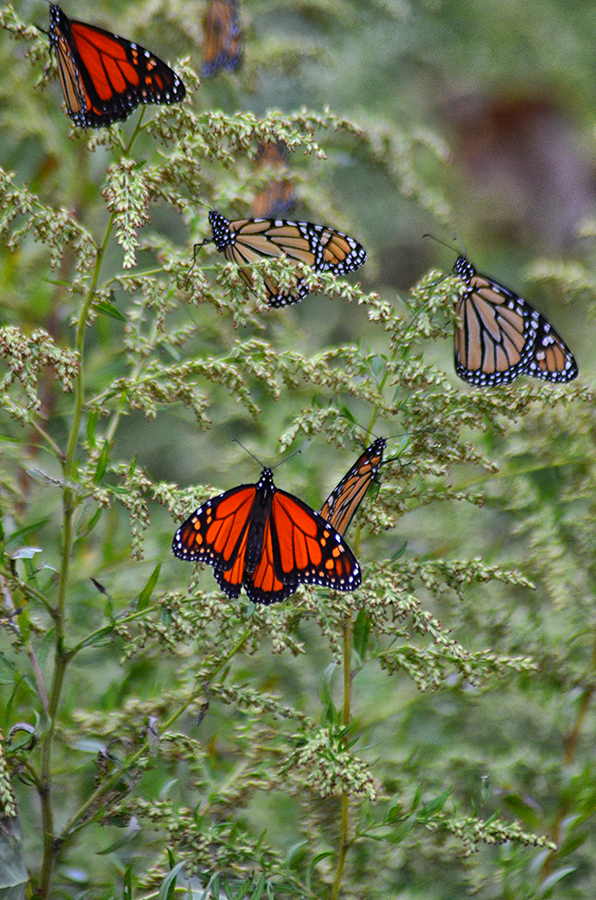
Each year all Monarchs vacation and mate in the Sierra Madre Mountains of Mexico. This morning I got a text from Lakewoodite Anthony Nanni, to get down to the lake, here are some of the photos and a gallery. To be honest I never thought I would see anything like this. I have seen the documentaries, and thought of going to Mexico, but this was great!
Thanks, and a tip of the hat to Anthony!
Everywhere you looked!
Get down to Lakewood Park or Wendy Park early in the day with the kids over the next couple days and be amazed.
You and I know it is the typical post on the Deck beautiful images or words shared by fellow Lakewoodites.
.
Re: More Negative LO Deck Click Bait DO NOT LOOK!
Posted: Sun Sep 13, 2015 12:37 pm
by Edward Favre
Great pics, Jim. Got a few resting in our backyard right now.
Re: More Negative LO Deck Click Bait DO NOT LOOK!
Posted: Sun Sep 13, 2015 1:12 pm
by Dan Alaimo
Click - very nice!
Re: More Negative LO Deck Click Bait DO NOT LOOK!
Posted: Sun Sep 13, 2015 4:54 pm
by stephen davis
We went to Wendy Park to see the butterflies, but were too late to see mass quantities.
Edgewater Beach was interesting. I don't know if it was a ladybug migration or just a gathering. They were with some other insects. Maybe somebody can identify them. They were on every piece of driftwood and in the sand.
Gulls came to eat them. Maybe this unusual gathering was the result of last night's storm.
Jim O'Bryan posted photos of yesterday's Lakewood twister. We did see the tree down at Lake and Cove.
These types of weather events can have a big impact on wildlife. After a storm, you can sometimes see unexpected species, referred to as "accidentals" or "vagrants".
Wikipedia wrote wrote:Vagrancy is a phenomenon in biology whereby individual animals appear well outside their normal range; individual animals which exhibit vagrancy are known as vagrants. The term accidental is sometimes also used. There are a number of factors which might cause an individual to become a vagrant — genetic factors and weather conditions are two — but the causes are overall poorly understood. Vagrancy can be a precursor to colonisation if individuals survive.
As a result of the storm, we had a vagrant appear in our side yard. (Photo below.) I figured that it flew there.
I assumed it was wild, as it had no tags, but after walking the neighborhood and describing the vagrant as large and green to other residents, I found the owner of this Green-Winged Patious Umbrellacus.
.
Re: More Negative LO Deck Click Bait DO NOT LOOK!
Posted: Sun Sep 13, 2015 8:05 pm
by Jim O'Bryan
stephen davis wrote:]
Jim O'Bryan posted photos of yesterday's Lakewood twister. We did see the tree down at Lake and Cove.
These types of weather events can have a big impact on wildlife. After a storm, you can sometimes see unexpected species, referred to as "accidentals" or "vagrants".
Wikipedia wrote wrote:Vagrancy is a phenomenon in biology whereby individual animals appear well outside their normal range; individual animals which exhibit vagrancy are known as vagrants. The term accidental is sometimes also used. There are a number of factors which might cause an individual to become a vagrant — genetic factors and weather conditions are two — but the causes are overall poorly understood. Vagrancy can be a precursor to colonisation if individuals survive.
As a result of the storm, we had a vagrant appear in our side yard. (Photo below.) I figured that it flew there.
I assumed it was wild, as it had no tags, but after walking the neighborhood and describing the vagrant as large and green to other residents, I found the owner of this Green-Winged Patious Umbrellacus.
.
A video by Shawn Mariani taken on his way through Ohio while headed home.
As a kid I grew up on 2.5 acres right on Lake Erie on the other side of Vermilion. My aunt and uncle had the place next door. Between us we had maybe 50 silver maples that had been planted about 20 years earlier. One year in the late fall we were in the migration path. There were at least 100,000 monarchs and possibly way more. All the trees were orange/red, you could hardly see any green. It was among the most beautiful things I have ever seen. I kind of consider it payback for dealing with all the midges we always got.
My understanding is that the monarch population is down about 90% from then. But I don't have the numbers in front of me.
Jim those are great pix....
Re: 2015 Monarch Migration Along Lake Right Now!
Posted: Mon Sep 14, 2015 10:49 am
by Peter Grossetti
Monsanto and other cash-greedy companies who manufacture horrible herbicides (such as Roundup) are killing these important creatures as well as other important pollinator insects (including bees).
1. Stop using Roundup. Find an alternative!! (Perhaps our friends at Lakewood Hardware can carry a safer, insect-friendly version?)
2. Plant milkweed. It is the required larval host plant for Monarch butterfly and it supports a wide range of pollinators and other insects with its abundant, high quality nectar.